Liberty expands when we steward our shared systems together.

Building civic capacity and infrastructure in the Intermountain West.

The Civic Cycle

The Civic Cycle

The Civic Cycle is a pattern language for civic renewal. Like the salmon whose life moves from tributary to ocean and back, shared systems follow a natural pattern — from idea to tradition, through vision, development, integration, and renewal. When the pattern breaks, communities decline. When it flows, liberty expands.

The Civic Cycle: A Pattern Language for Civic Renewal

Egg → Embryo → Alevin
Vision
Potential emerges
Individual → Project
Discern
Idea

Champions emerge
They see what others don't and commit to making it real before the path is clear.
Champions emerge
They see what others don't and commit to making it real before the path is clear.
Shape
Design
Consult Experts
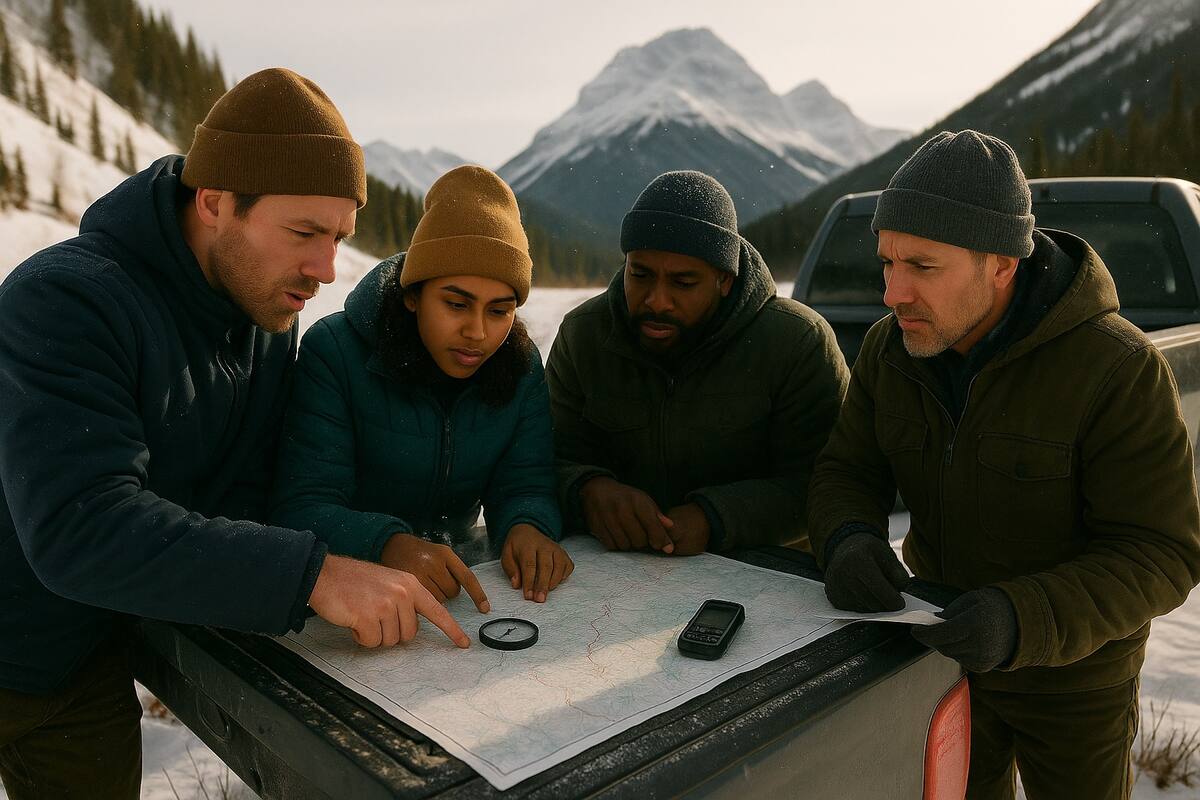
Architects, engineers, scientists — those who shape how ideas become real.
Consult Experts
Architects, engineers, scientists — those who shape how ideas become real.
Resource
Project
Attract Backers
Investors, philanthropists — those with resources to bring the vision into development.

Attract Backers
Investors, philanthropists — those with resources to bring the vision into development.
Fry → Parr → Smolt
Development
Forces organize
Community → Enterprise
Ground
Proposal
Heed Elders
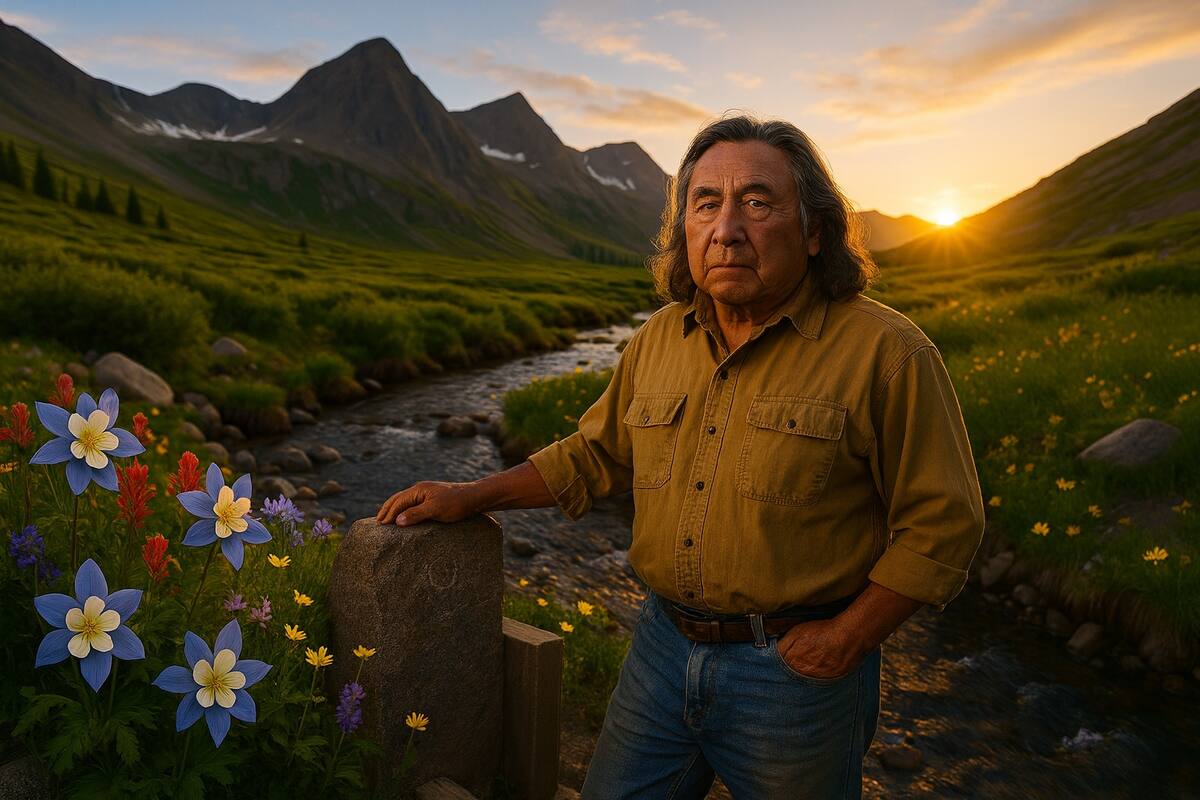
They carry the long memory of what's been tried, what's failed, and what the landscape looked like before.
Heed Elders
They carry the long memory of what's been tried, what's failed, and what the landscape looked like before.
Promote
Cause
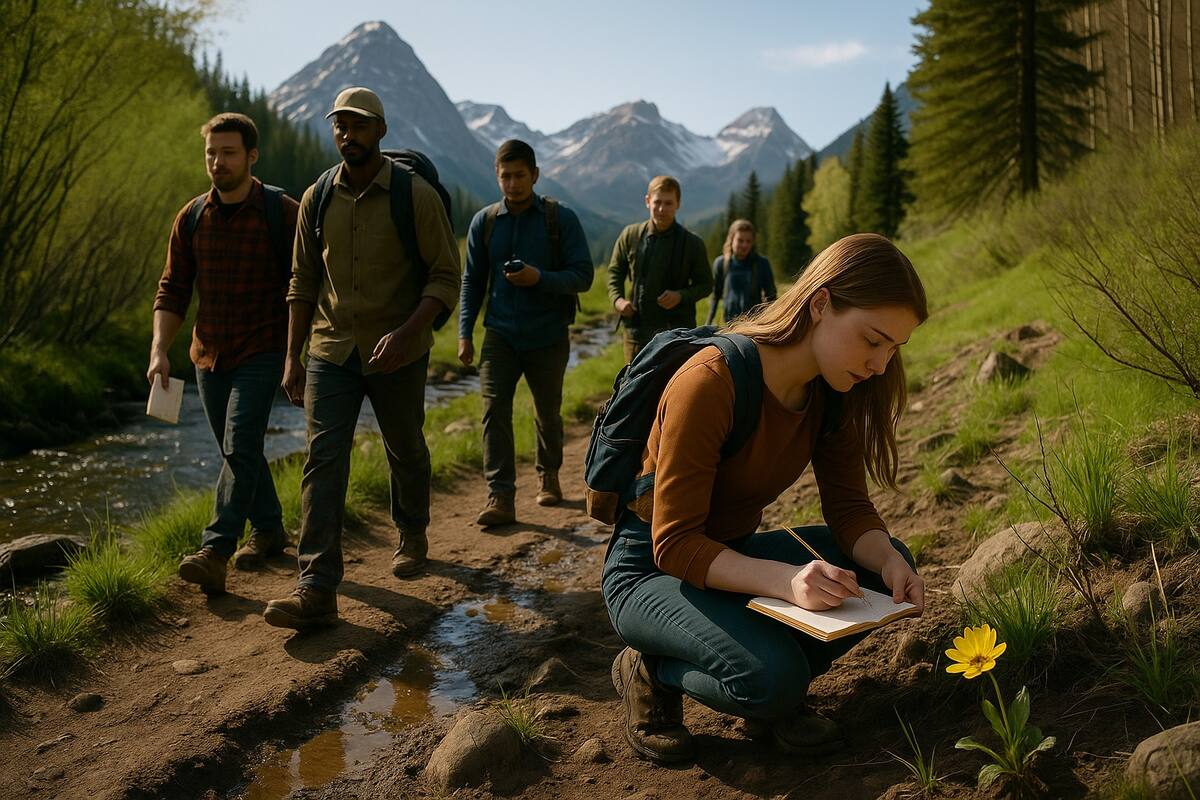
Mobilize Advocates
They build coalitions and sustain attention through the long middle of the process.
Mobilize Advocates
They build coalitions and sustain attention through the long middle of the process.
Authorize
Approval
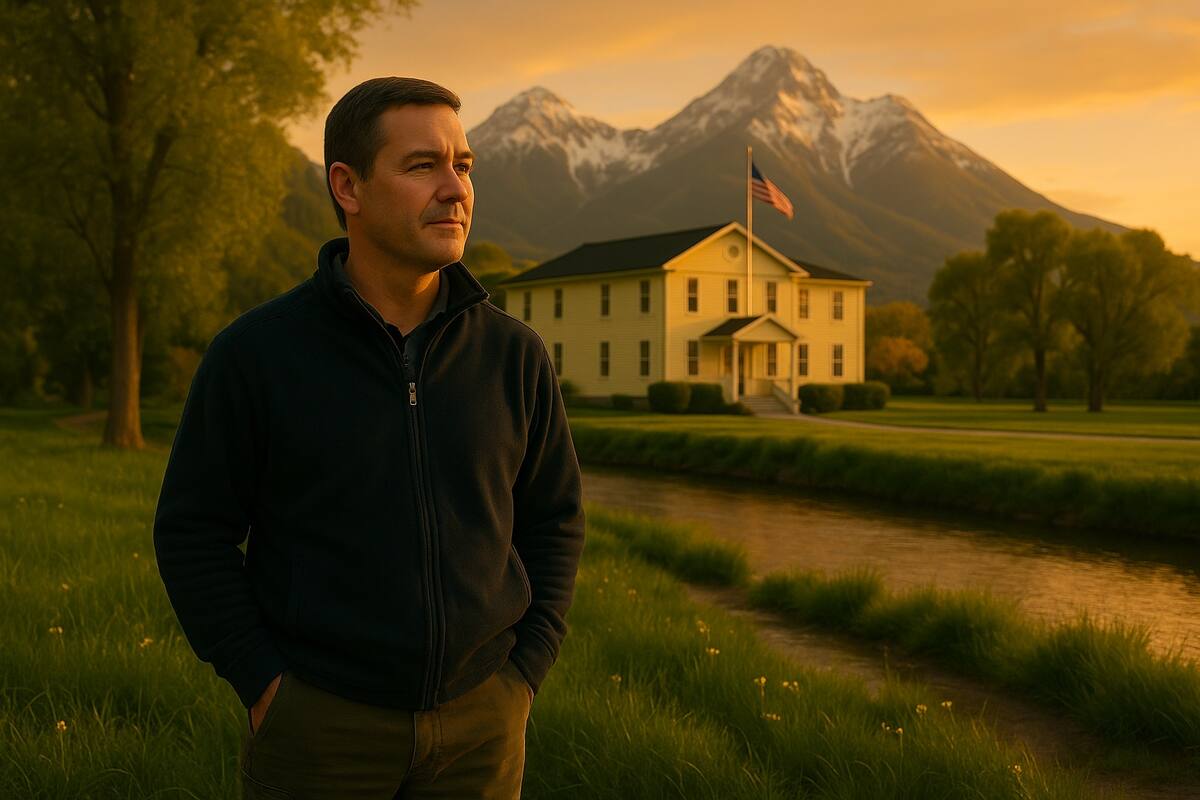
Persuade Officials
Elected leaders and decision-makers who hold the authority to act.
Persuade Officials
Elected leaders and decision-makers who hold the authority to act.
Estuary → Ocean → Maturity
Integration
Change manifests
Society → Institution
Facilitate
Construction
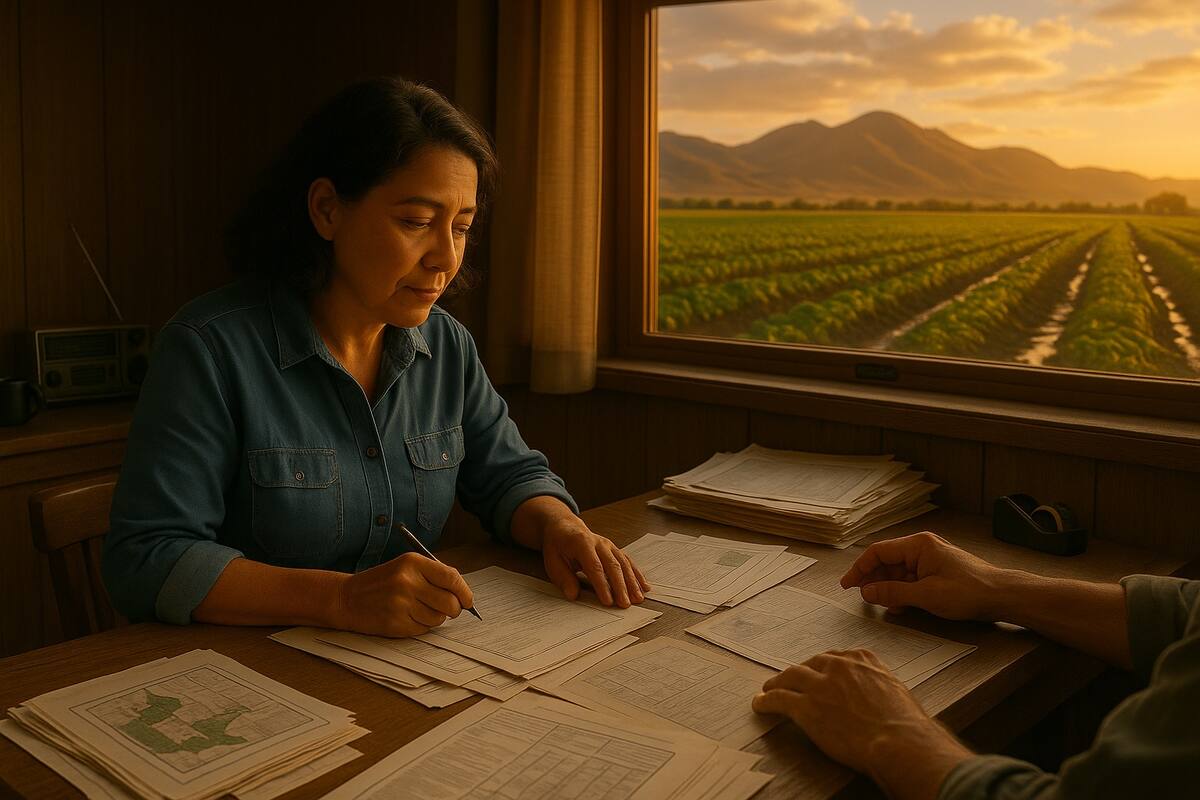
Align Administrators
They control whether an enterprise moves forward or stalls.
Align Administrators
They control whether an enterprise moves forward or stalls.
Deliver
Performance
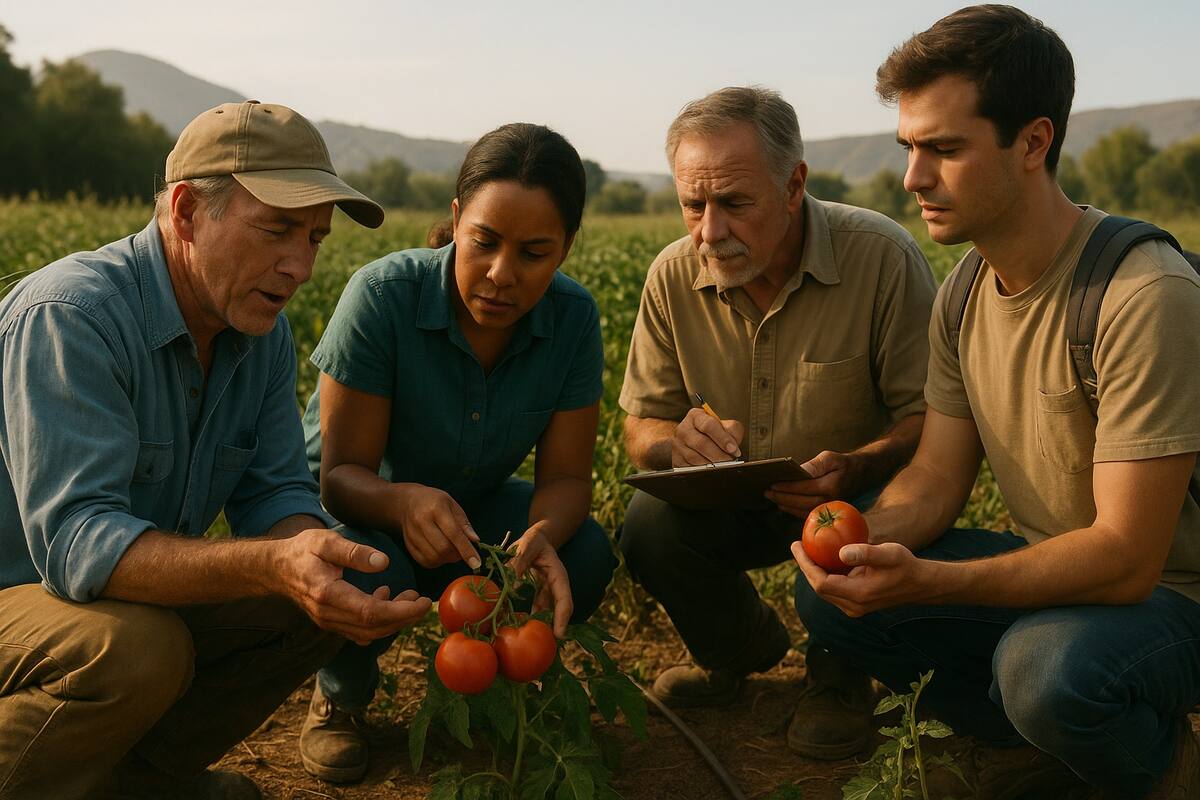
Enable Producers
In every sector, in every field — the people who make shared systems work.
Enable Producers
In every sector, in every field — the people who make shared systems work.
Distribute
Benefits
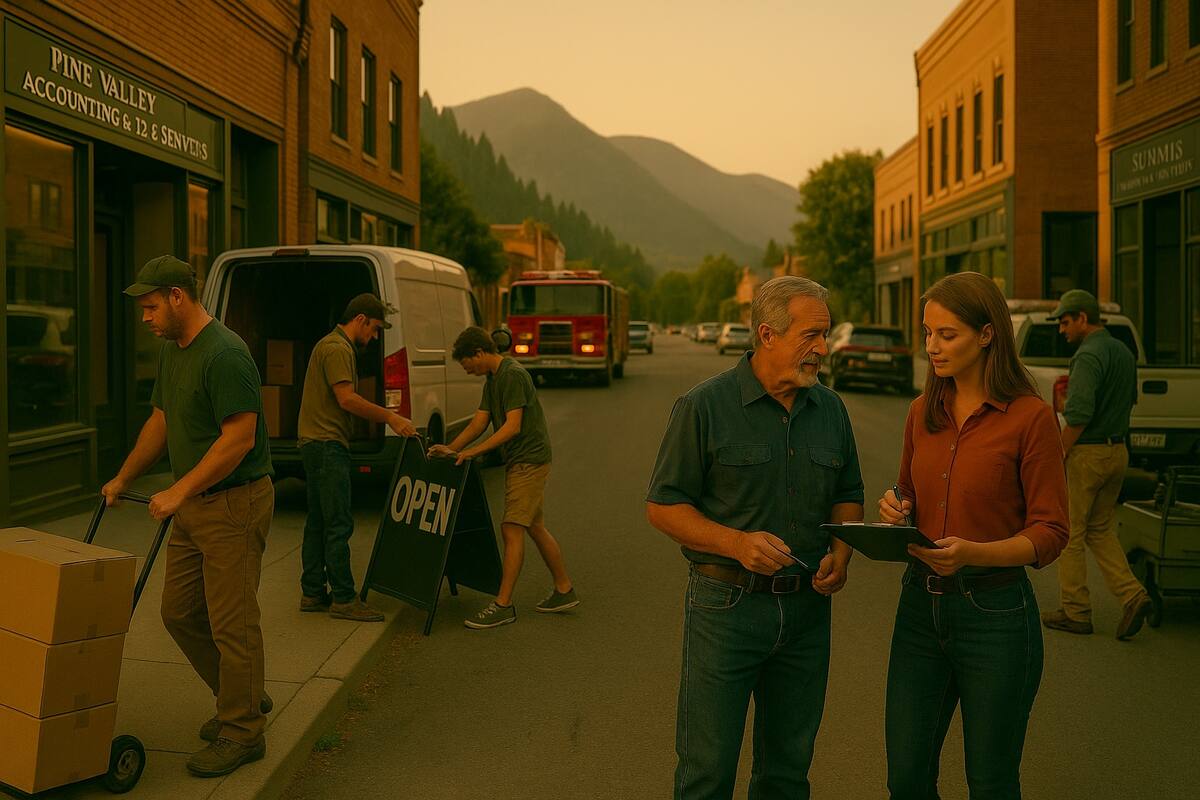
Empower Partners
Every public servant, professional, and business that makes society run.
Empower Partners
Every public servant, professional, and business that makes society run.

Return, spawn, renew
Renewal
Results endure
Culture → Tradition
Ingrain
Experience
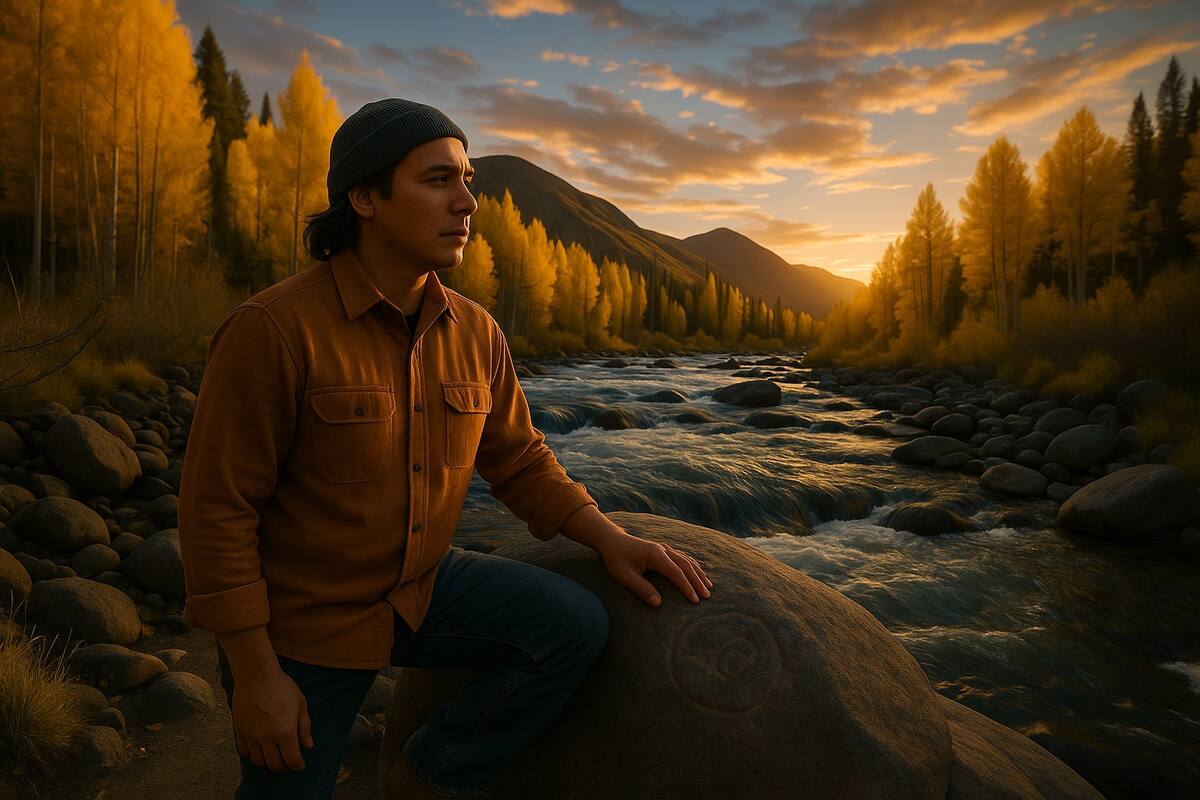
Inspire Storytellers
They record, document, and promote for posterity.
Inspire Storytellers
They record, document, and promote for posterity.
Transfer
Knowledge
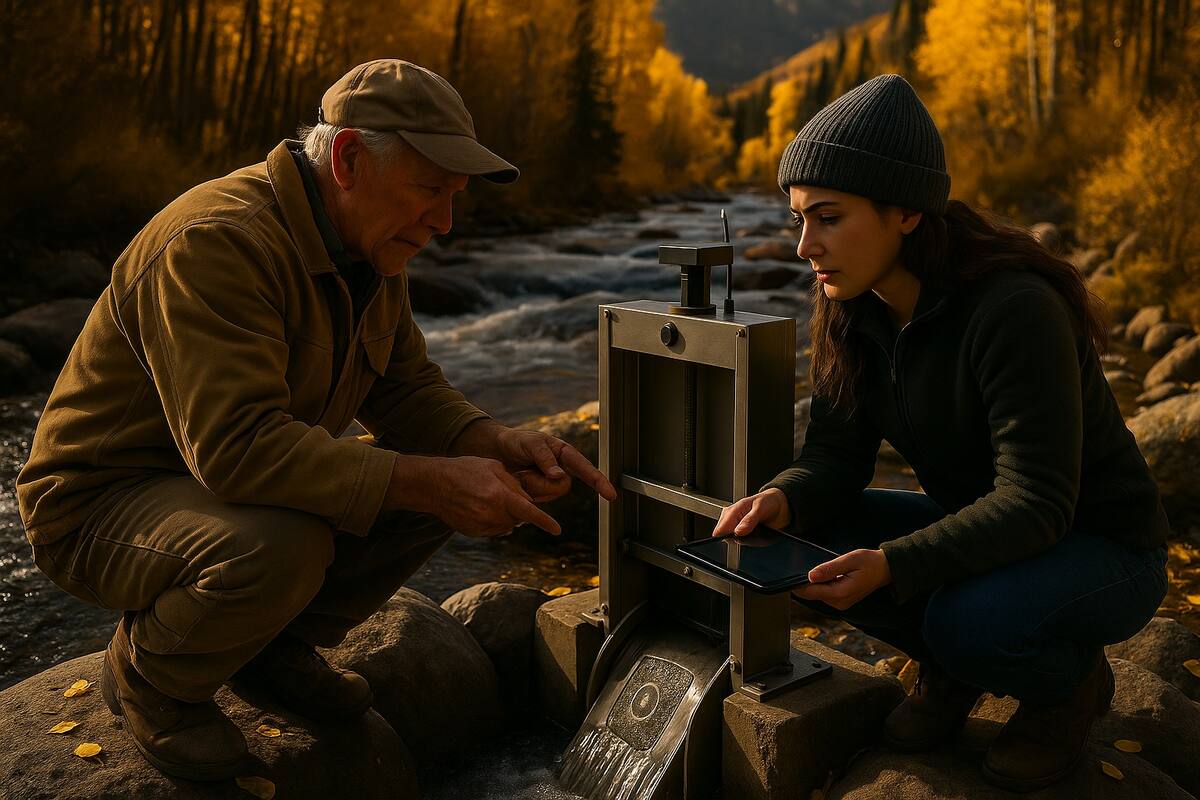
Commission Mentors
They pass the torch to the next generation.
Commission Mentors
They pass the torch to the next generation.
Celebrate
Tradition

Honor Masters
Those who showed us the way.
Honor Masters
Those who showed us the way.

↻ The cycle renews

Proof Case

The Columbia Basin Project

The Columbia Basin Project is the largest federal reclamation project in American history. Grand Coulee Dam and its canal system transformed 670,000 acres of high desert into some of the most productive farmland on earth. But the project is only half finished. The East High Canal — the eastern half of the system — was never built. Farmers who settled on the promise of water have been drilling into a declining aquifer for sixty years. Voices is working to complete the project — integrating irrigation, clean energy, and ecological restoration as one system.

When we steward shared systems together, the entire civic cycle renews.

670,000
acres currently irrigated
$2.67B
annual agricultural production
100,000+
acres awaiting surface water
$840M
annual production at risk

The Civic Cycle holds a place for everyone.

Champions
Experts
Backers
Champions
Legislators with vision beyond their district. Developers who see public benefit in project completion. Community leaders who refuse to accept a half-finished system. County commissioners. Tribal chairs. Irrigation district board members. Mayors of basin towns. Regional economic development directors. University presidents. Conservation district supervisors.
They see the whole before anyone else does.
Experts
Hydrologists. Civil engineers. Fish biologists. Energy planners. Conservation finance specialists. Water rights attorneys. Geologists. Agronomists. Dam safety engineers. Environmental consultants. GIS analysts. Climate modelers. Soil scientists. Aquifer specialists. Power systems engineers.
They shape how ideas become real.
Backers
State capital budget committees. Federal conservation programs. Infrastructure investment funds. Irrigation district financing authorities. Clean energy project investors. Private foundations. USDA program offices. State revolving loan funds. Bonding authorities. Impact investors. Agricultural lenders. Sovereign wealth infrastructure funds.
They resource the vision into development.
Elders
Advocates
Officials
Elders
Irrigation district veterans. Retired Bureau of Reclamation staff. Tribal leaders. Farm families who've worked the same ground for generations. Former agency directors. Retired county planners. Longtime water masters. Emeritus professors. Former legislative staff. Retired utility managers. Basin historians.
They know every lateral, every permit, every fight.
Advocates
Irrigation leagues. Conservation districts. Farm bureaus. Clean energy coalitions. Watershed councils. Chambers of commerce. Cattlemen's associations. Environmental organizations. Sportsmen's groups. Tribal advocacy organizations. Labor councils. Water users' associations. Commodity commissions.
They carry the case until the politics catch up.
Officials
State legislators. Congressional delegations. County commissioners. Tribal councils. Federal agency leadership. Governors' offices. State department directors. Congressional committee staff. Regulatory commissioners. Municipal councils. Port authority boards. Public utility district commissioners.
They hold the authority to act.
Administrators
Producers
Partners
Administrators
Bureau of Reclamation. NRCS. Department of Ecology. Bonneville Power Administration. Irrigation districts. Tribal natural resource departments. Army Corps of Engineers. State departments of agriculture. Fish and wildlife agencies. County planning departments. Regional power councils. Water conservancy boards. Federal energy regulatory staff.
They move projects forward — or stall them.
Producers
Irrigators. Ranchers. Utility operators. Fish and wildlife managers. Ditch riders. Canal operators. Pump station technicians. Crop consultants. Livestock operators. Orchard managers. Vineyard operators. Dairy producers. Grain elevator operators. Power plant operators. Hatchery managers.
They run shared systems every day.
Partners
Basin towns. School districts. Agricultural suppliers. Food processors. Regional utilities. Export shippers. Equipment dealers. Fertilizer co-ops. Cold storage operators. Trucking companies. Rural hospitals. Community colleges. Agricultural research stations. Real estate developers. Banks and credit unions.
They thrive when shared systems work.
Storytellers
Mentors
Masters
Storytellers
Documentary producers. Historians. Journalists. Researchers. Archivists. Photographers. Podcast hosts. University press authors. Regional magazine editors. Museum curators. Public radio producers. Local newspaper editors. Agricultural heritage organizations.
They build the public record.
Mentors
Retiring district managers. Senior agency engineers. Veteran irrigators. Tribal knowledge keepers. Emeritus professors. Retired extension agents. Former board chairs. Longtime water commissioners. Senior conservation planners. Retired fisheries biologists. Master gardeners. Veteran farm managers.
They carry what no manual can hold.
Masters
Fifth-generation farm families. Lifelong district leaders. Tribal fishing rights holders. The engineers who designed the systems still running today. Canal builders. Dam operators with forty years on the same structure. Water rights adjudicators. Soil conservation pioneers. The people who remember why the system was built and what it was supposed to do.
Their work is what everything else stands on.

Join the cycle.

I see myself as... (optional — select all that apply)

Mission

Voices is a 501(c)(4) civic stewardship organization. We exist to restore flow to the cycles that sustain us — convening stakeholders, coordinating across civic roles, and holding the pattern so the systems communities depend on can complete their cycle from vision through renewal.

Leadership

Mary Dye

Washington State Representative. Ranking Member, Energy & Environment Committee. Generational wheat farmer, Pomeroy, WA.

Michele Kiesz

Generational wheat farming family, Columbia Basin. Based in Moses Lake, WA. Deep institutional knowledge of water rights, irrigation governance, and federal conservation programs.

Taylor Canfield

Chief Systems Architect. 25 years in public affairs across energy, real estate, and mining. Developer and steward of the Civic Cycle framework.

What is a 501(c)(4)?

A social welfare organization that operates to promote the common good. Voices engages in civic education, stakeholder convening, and policy engagement related to shared natural resource systems. Voices does not support or oppose candidates for public office.